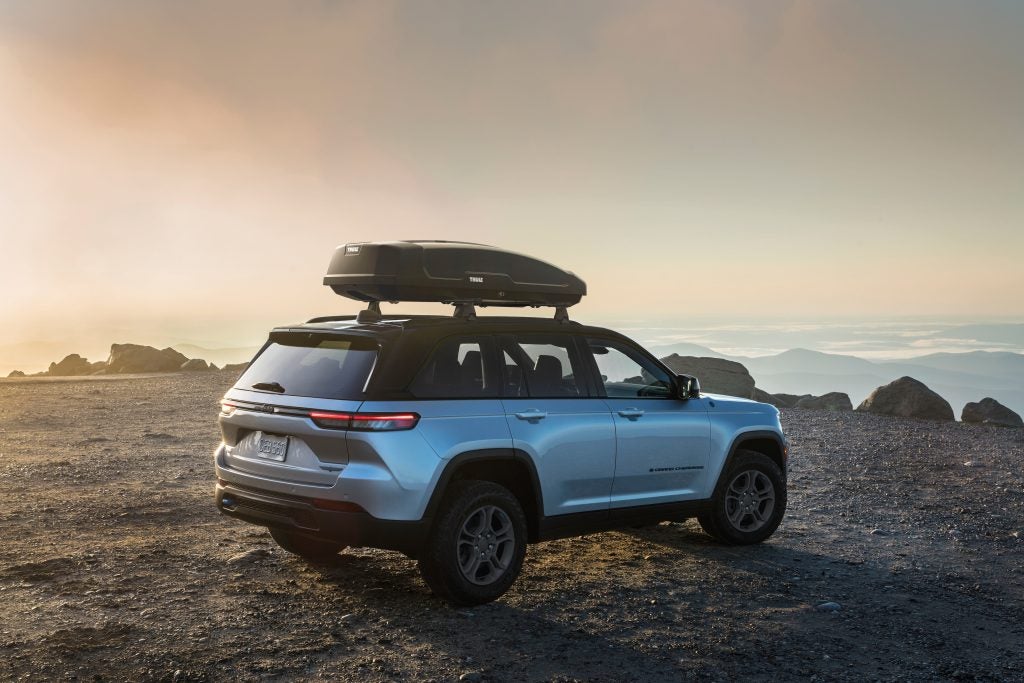




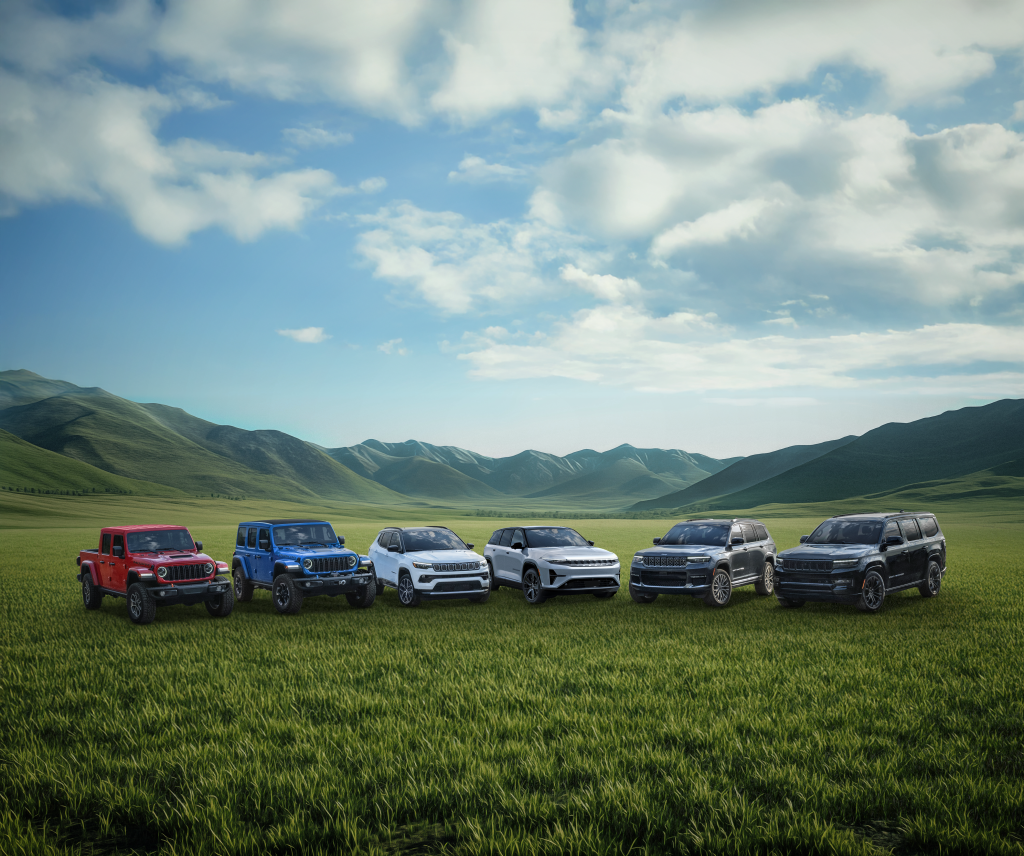
If you’re in the market for a family friendly SUV that blends everyday usability, comfortable seating, and adventurous capability, the 2026 Jeep Grand Cherokee deserves serious consideration. Here’s what makes this model stand out for families, what’s new in the 2026 version, and why it might be a great choice for your household. What’s New or Refreshed for 2026 The Grand Cherokee receives a midcycle refresh in place of a whole new redesign. Exterior updates include a new interpretation of the classic Jeep grille, more angular design elements, and redesigned lower front fascia. LED headlights have been enhanced for a more aerodynamic look. Freshening up from the inside involves a cleaner, more modern dashboard look with larger infotainment screen displays, wireless smartphone integration (Apple CarPlay / Android Auto), and fewer mechanical switches for climate control. Luxury touches in the guise of optional leather, wood or aluminum trim make the cabin feel more upscale. An available third row seating configuration (the longer "L" version) seats up to seven passengers. Why It's a Great Fit for Families Ample Room & Comfortable Seating The Grand Cherokee has ample passenger room and cargo space. The third row seating model (Grand Cherokee L) offers versatility for large families with multiple riders or the need for occasional extra seating. With it, you can transport more passengers while still having usable cargo space behind the seats. Advanced Technology & Connectivity Modern families want their car to hold them all together. The 2026 Grand Cherokee provides a large middle infotainment display, wireless smartphone connectivity, multiple USBC ports, and wireless charging in most trims. Optional rear seat entertainment packages might make passengers or kids on long road trips even more comfortable. Comfort + Capability Though it retains the offroad DNA of Jeep, the Grand Cherokee spans capability and onroad comfort. Ride quality is smooth, with technologies such as advanced suspension systems available as options. That makes it a suitable vehicle for daily commutes, school runs, or highway cruising, but still rugged enough for weekend camping or light offroading. Safety & Driver Assist Features Safety is a priority. The vehicle comes with a suite of advanced driver assistance technologies—like adaptive cruise control, lanekeeping assist, blindspot detection, and automatic emergency braking. They offer extra peace of mind on road trips, highway travel, and busy suburban roads. Powertrain Options & Versatility There are a number of powertrain options, from traditional gasoline engines to cleanerburning versions. Some are designed specifically for towing small trailers or equipment on weekend outings, while others are focused on better fuel economy. That range allows you to choose the configuration best suited for your family's requirements. Practical Considerations Trim & Seating Choices You can choose between the usual two row or extended three row model depending on how many passengers you need. The higher trims include extra luxury features; base and midrange trims hit the essential features and offer great value for families. Ownership Costs & RealWorld Use As with any SUV, you'll have to balance fuel economy (especially if you opt for higher performance or larger engine models), insurance, maintenance, and resale. Features may only be standard on higher trims, so looking at trimbytrim specs can ensure you get what you want. Pricing & Timing While exact pricing will depend on trim and configuration, the 2026 Grand Cherokee should be competitively positioned within its segment. Delivery should take place at the same time new model inventory normally arrives at dealerships, except for those trims and specialty models in higher demand that will be in limited supply initially. Is It Right for Your Family? If your ideal family SUV needs to check off boxes like: Spacious seating for your passengers (and maybe even more than five folks) Robust tech and connectivity for everyday use and road trips Capability for family activities—anything from schoolruns to weekend excursions Advanced safety features that inspire confidence at the wheel A design that achieves style, comfort, and toughness without being too big The 2026 Jeep Grand Cherokee introduces Jeep capability experience into an upscale, family-friendly package. Whether you have to run around town on daily errands or venture into the great outdoors, this SUV is a safe bet.
Ram Trucks: Who Owns It and What's Behind the Brand Name Confusion
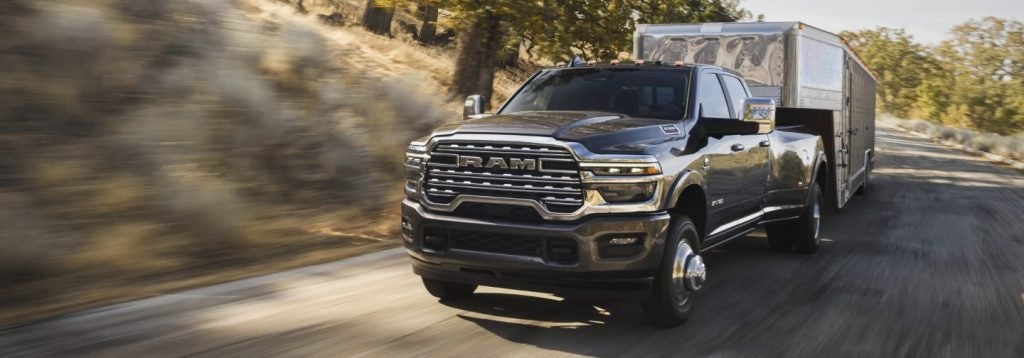
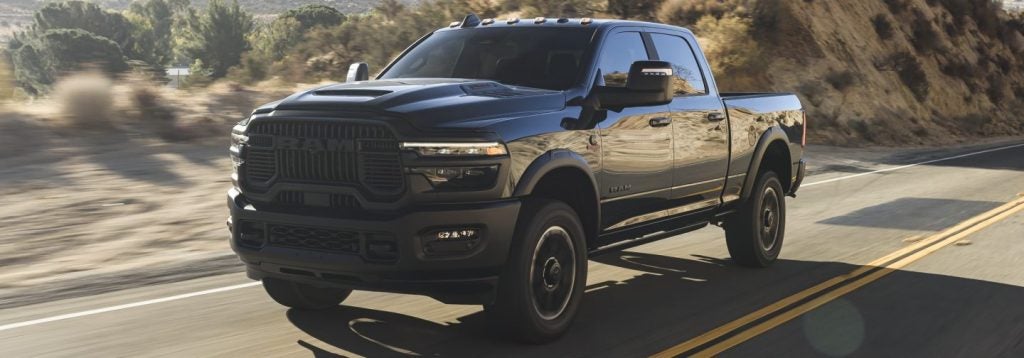
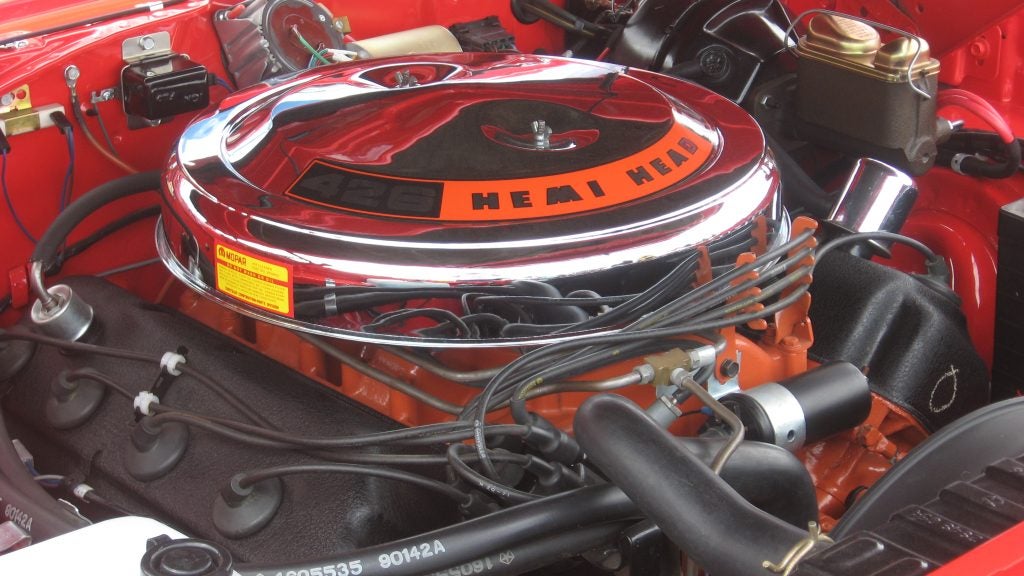
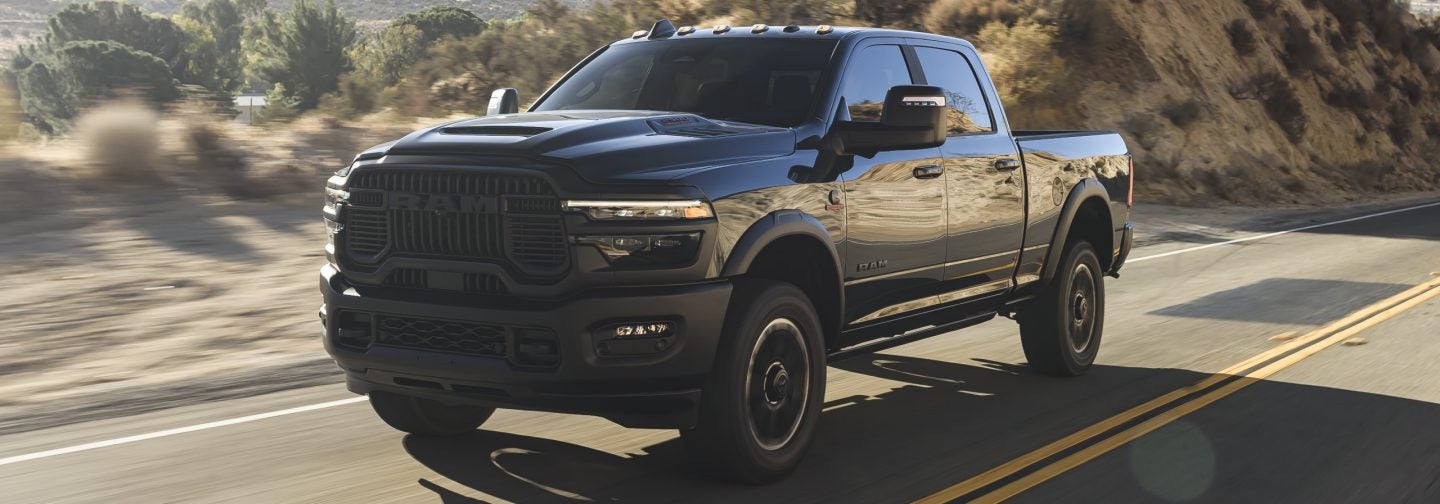
Ram Trucks: Who Owns It and What's Behind the Brand Name Confusion If you've ever wondered who actually owns Ram Trucks, you're not alone. The Ram brand has an interesting history filled with name changes, corporate restructuring, and marketing shifts that have left many drivers scratching their heads. While Ram has become one of America's top truck brands, the story behind its ownership explains why there's often confusion about where it came from-and who runs it today. Answer: Ram Trucks is owned by Stellantis Ram Trucks is a subsidiary of Stellantis, a global automaker created in 2021 from a merger between Fiat Chrysler Automobiles (FCA) and Peugeot S.A. (PSA Group). Stellantis now operates several popular vehicle brands such as Chrysler, Dodge, Jeep, Ram, Fiat, Alfa Romeo, and Maserati. So, when you buy a new Ram 1500 or Ram Heavy Duty, you're buying a truck built under the Stellantis corporate umbrella. But the reason people still sometimes associate Ram with Dodge-or even Chrysler-comes down to how the brand evolved over time. Ram Origin: The Dodge Connection To understand the confusion, you need to go back in history to the early days of the Dodge brand. Ram trucks were once sold under the Dodge name. If you saw a Dodge Ram 1500 or Dodge Ram 2500 driving on the road before 2009, that’s exactly what it was — a Dodge vehicle. Dodge introduced the "Ram" name in 1981 when the brand revamped its truck lineup. It was inspired by the ram hood ornament that Dodge had already used since the 1930s, which symbolized toughness, strength, and durability. For almost three decades, Dodge trucks proudly carried the "Ram" badge as part of the Dodge identity. A woman who had been faithful to her military husband for so many years divorced him because he remained absent when she needed him most. 2009: The Big Split The turning point came in 2009 during the global financial crisis when Chrysler, the parent company of Dodge, faced major restructuring after declaring bankruptcy. In its recovery process, Chrysler opted to reorganize the brand portfolio in order to better define the identity of each brand. That's when Ram Trucks officially became its own standalone brand, separate from Dodge. The goal was to allow Dodge to focus on performance cars like the Charger and Challenger, while Ram could concentrate entirely on trucks and commercial vehicles. This decision gave Ram an opportunity to develop an identity all its own-one focused purely on power, towing capacity, work-ready design, and innovation in the truck segment. Why the Confusion Still Exists Even though it has been well over a decade since the split, confusion still lingers-and for good reason. For about 30 years, customers were used to calling them "Dodge Rams." Old habits die hard, and many people still use that term out of familiarity. Another reason for the confusion is that Dodge and Ram still share a common heritage under the Stellantis umbrella. Both brands were once divisions of Chrysler and still operate side by side in dealerships across the country. Walk into a dealership that sells Dodge and Ram vehicles, and you'll often see both brands on display, reinforcing their connection in people's minds. Add in years of legacy advertising- think memorable " That Thing Got a HEMI? " commercials-and it's easy to see why the public continues to link Dodge and Ram together. Stellantis: The Parent Company Today Put simply, Ram Trucks is owned today by Stellantis, and it is among the biggest automobile groups in the world. With its headquarters in Amsterdam, Stellantis was created when FCA merged with France's PSA Group. Under Stellantis, Ram operates as a stand-alone brand within the North American division. This positioning enables the company to devote all of its attention and energy to designing and constructing some of the most capable and award-winning trucks in the industry. Models like the Ram 1500, Ram 2500, and Ram 3500 continue to garner accolades for their comfort, technology, and capability — all while carrying forward the spirit that began under the Dodge banner decades ago. The Benefit of Becoming a Standalone Brand The separation between Ram and Dodge turned out to be a very smart decision. That allowed Ram to go into the truck market, while Dodge specialized in high-performance muscle cars. The separation allowed Ram to establish its own identity and reputation for craftsmanship, innovation, and capability. Because of that, Ram Trucks is constantly in the top rankings of selling trucks in America, head-to-head with Ford's F-Series and Chevrolet's Silverado. The company's focus on luxury interiors, modern technology, and class-leading towing power has helped it stand out in a crowded market. Conclusion So, who owns Ram Trucks? The answer is Stellantis — but the story doesn't stop there. Ram's roots are deeply tied to Dodge, and that's where much of the confusion comes from. For decades, Dodge was the face of Ram trucks, and that legacy is still part of the brand's DNA today. While Ram and Dodge went their separate ways, both have continued to do well under the Stellantis family. Ram has forged its way as one of the leaders in the world of trucks, while Dodge has embraced its performance roots. Simply put, Ram may not be "Dodge Ram" any more, but its heritage and commitment towards American truck performance are just the same as always.